Intramuros, Manila · Luzon

Fort Santiago

The citadel where Rizal spent his final days — and where he wrote his immortal farewell.

← Back to Heritage Sites
Well Preserved Intramuros, Manila, Luzon

Fort Santiago

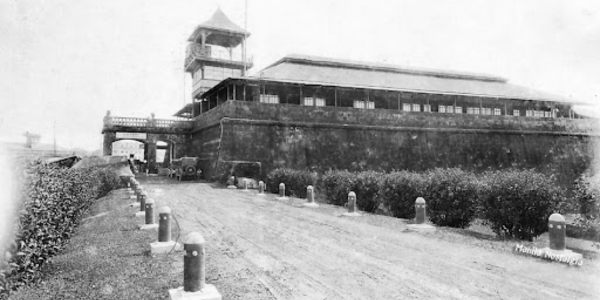
Built by Spanish colonizers in 1571, Fort Santiago served as the seat of colonial military power for over three centuries. Rizal was imprisoned here in 1896. In his final days within these stone walls, he wrote Mi Último Adiós — hidden inside an alcohol stove, to be discovered after his death. Today, bronze footprints embedded in the ground trace the very path he walked on the morning of December 30, 1896.

Location

Pinned location on Google Maps

Then vs. Now

Fort Santiago Today Now
Fort Santiago Historical Then

Did You Know?

The last poem
Rizal hid his final poem "Mi Último Adiós" inside a small alcohol lamp in his cell at Fort Santiago, to be found after his execution.
Bronze footsteps
Bronze footprints are embedded in the ground along the path Rizal walked on December 30, 1896 — from his cell all the way to Bagumbayan, nearly 1 km away.
Three colonial eras
Fort Santiago served as a prison under three different colonial powers — Spanish, American, and Japanese — over its long history.
Rizal's last dinner
On the night before his execution, Rizal was permitted to receive visitors in his cell at Fort Santiago. He spent his final evening calmly writing and saying goodbye.

"I want to show those who deny our patriotism that we know how to die for our duty and our convictions."

— José Rizal, letter written at Fort Santiago, December 1896

Continue Exploring

Other Heritage Sites

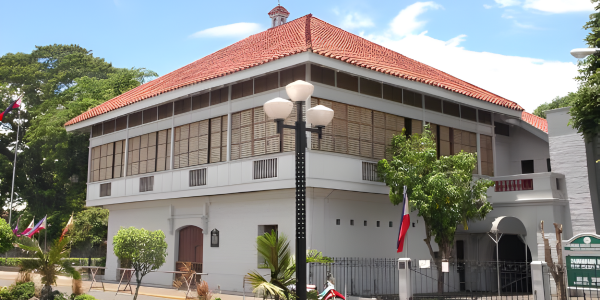
Rizal Shrine, Calamba

Rizal Shrine, Calamba

Explore →
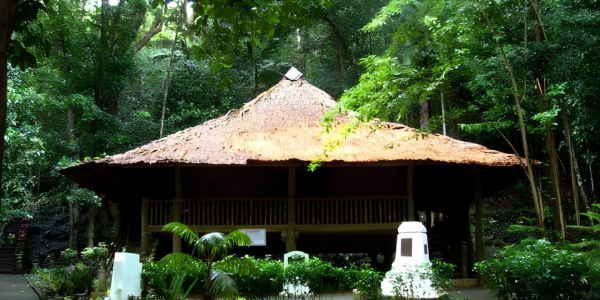
Rizal Shrine, Dapitan

Rizal Shrine, Dapitan

Explore →
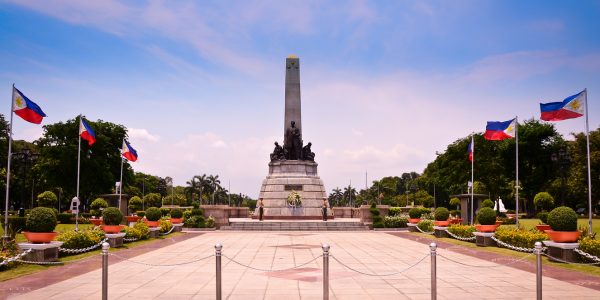
Rizal Monument, Luneta

Rizal Monument, Luneta

Explore →