Ermita, Manila · Luzon

Rizal Monument, Luneta

The most sacred site in the Philippines — the ground where Rizal gave his life.

← Back to Heritage Sites
Well Preserved Ermita, Manila, Luzon

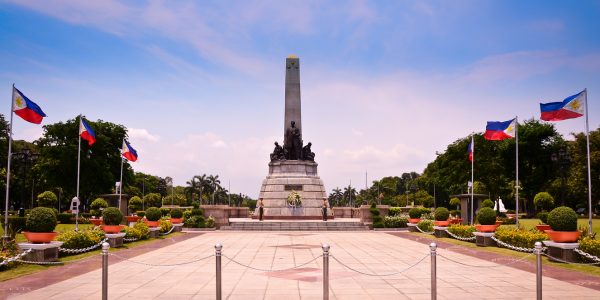
Rizal Monument, Luneta

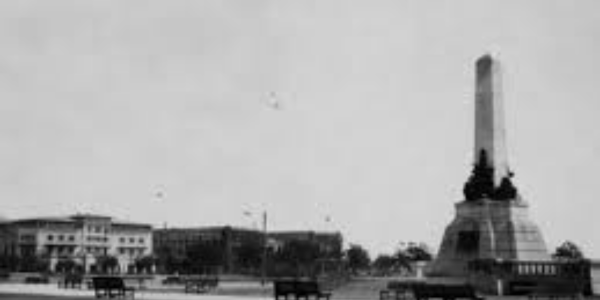
On December 30, 1896, at 7:03 in the morning, José Rizal was executed by firing squad at Bagumbayan — the field now known as Rizal Park or Luneta. He was 35 years old. His death ignited the Philippine Revolution. Today, the Rizal Monument — a towering bronze statue atop an obelisk — marks the exact site of his execution. His remains are interred beneath it. The monument is a UNESCO World Heritage Site and the most visited landmark in the Philippines.

Location

Pinned location on Google Maps

Then vs. Now

Rizal Monument Luneta Today Now
Rizal Monument Luneta Historical Then

Did You Know?

10 years to build
The Rizal Monument was completed in 1913, 17 years after his death. Designed by Swiss sculptor Richard Kissling, it took nearly a decade after a design competition.
His remains are inside
Rizal's actual remains are interred beneath the monument. He asked for burial without ceremony — his body was buried face-down in an unmarked grave until the monument was built.
He turned to the sunrise
Accounts say that when the shots rang out, Rizal used his last strength to turn his body to face upward and eastward — toward the rising sun and a free Philippines.
An eternal guard
The Philippine flag at the Rizal Monument is one of the few in the country that flies 24 hours a day, 365 days a year — illuminated at night as a permanent guard of honor.

"I die without seeing the dawn brighten over my native land. You who have it to see, welcome it — and forget not those who fell during the night."

— José Rizal, Mi Último Adiós, Luneta, December 30, 1896

Continue Exploring

Other Heritage Sites

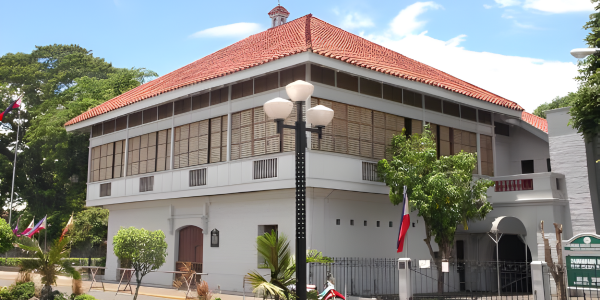
Rizal Shrine, Calamba

Rizal Shrine, Calamba

Explore →
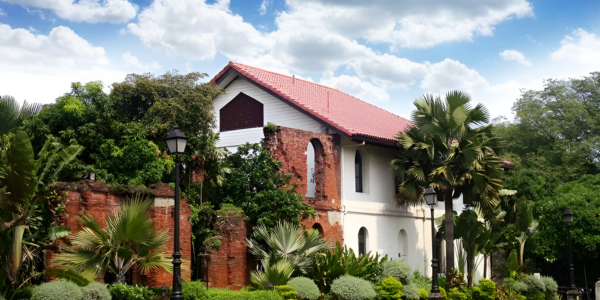
Fort Santiago

Fort Santiago

Explore →
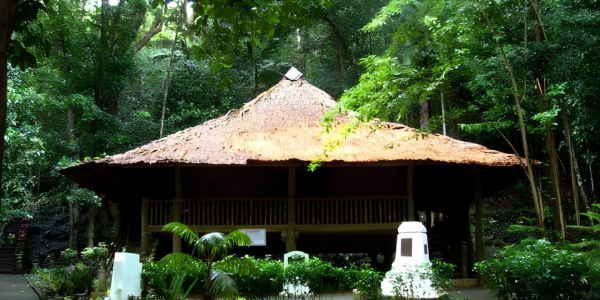
Rizal Shrine, Dapitan

Rizal Shrine, Dapitan

Explore →